Back exercises
Lats, rhomboids, traps and the muscles along the spine: this is where the rows, pull-ups and lower-back work live.
158 exercises, 7 pages
Filters in the catalogue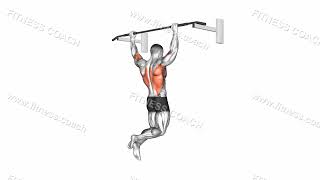
Back · Intermediate
Wide Grip Rear Pull-Up
A bodyweight vertical pull in which the bar passes behind the head rather than in front of the face. It trains the back and elbow flexors and differs from a standard pull-up in its shoulder and neck positioning requirements.
Legs · Advanced
Snatch
A dynamic Olympic weightlifting exercise that involves lifting a barbell from the ground to overhead in one continuous motion. It requires a combination of strength, speed, flexibility, and technique. The movement is divided into several phases: the first pull, transition, second pull, and catch.
Back · Intermediate
Cable Wide Grip Behind Neck Pulldown
An upper body exercise targeting the latissimus dorsi, trapezius, and rhomboids. It involves pulling a cable bar down behind the neck while seated, emphasizing the upper back and shoulder muscles.
Back · Beginner
Rope Straight-Arm Lat Pulldown
The Standing Cable Straight Arm Pulldown is an isolation exercise targeting the latissimus dorsi muscles.
Back · Intermediate
Seated Cable Row
The Cable Low Seated Row is a compound exercise targeting the muscles of the upper back, including the latissimus dorsi, rhomboids, trapezius, and biceps. It involves pulling a weighted cable handle towards the torso while seated, emphasizing back muscle engagement and posture.
Back · Intermediate
Seated Cable Wide Grip Row
The Wide Grip Seated Row is a strength training exercise targeting the upper back muscles, including the latissimus dorsi, rhomboids, and trapezius.
Back · Intermediate
One-Arm Cable Low Row
The Single Arm Cable Row is an isolation exercise targeting the latissimus dorsi, rhomboids, and trapezius muscles.
Legs · Advanced
Deficit Deadlift
A variation of the conventional deadlift performed while standing on an elevated surface, typically 1-3 inches high.
Back · Intermediate
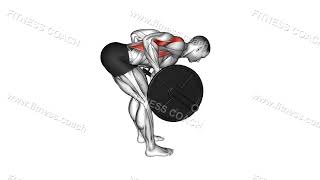
Barbell Bent-Over Row (Near-Horizontal Torso)
A barbell pulling exercise performed from a hip hinge. In this variation the torso stays closer to horizontal than in the related raised-torso row. The back and elbow flexors pull the bar while the trunk maintains the hinged position.
Back · Intermediate
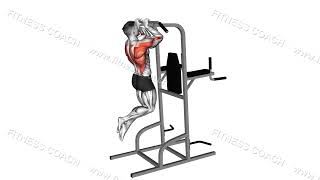
Close-Grip Pull-Up
A bodyweight vertical pull-up on a straight bar with a narrow overhand grip. It builds back, biceps, and grip strength, while the narrow hand position makes it distinct from medium- and wide-grip pull-ups.
Back · Intermediate
One-Arm Dumbbell Bent Over Scapula Row
Targets the upper back muscles, particularly the scapular retractors and stabilizers. This exercise helps improve posture and shoulder stability by focusing on the movement of the scapulae. It is performed with one arm at a time, allowing for greater focus on each side of the body.
Back · Intermediate
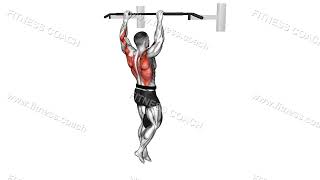
Weighted Pull-Up
A bodyweight vertical pull with added external resistance. It trains the lats, upper back, elbow flexors, and grip, allowing pull-up strength to progress through additional load.
Back · Intermediate
Pull-Up
A compound upper-body exercise that primarily targets the latissimus dorsi muscles in the back, along with the biceps, forearms, shoulders, and core. It involves pulling your body up towards a bar until your chin is above it, using an overhand grip.
Back · Beginner
One-Arm Lat Pulldown
The One Arm Lat Pulldown is an isolation exercise targeting the latissimus dorsi muscles.


About these exercises
Equipment decides a lot here — pull-ups need a bar, most rows want a barbell, dumbbells or a cable machine, and a few moves need nothing at all. Cover both directions in a week, a vertical pull and a horizontal row, because they load the back differently. If you feel a row mostly in your arms, pull your shoulder blades back first and bend the elbows second.